GEO & AI visibility insights
Guides, comparisons and analysis on Generative Engine Optimization — how to get cited by ChatGPT, Perplexity, Gemini and Claude.

GEO for E-Commerce: How AI Assistants Pick Products
Learn how ChatGPT, Perplexity, and Google AI Overviews recommend and buy products—and what schema, pricing, and content signals make a product page GEO-ready.

GEO Reporting for Agencies: How to Prove Impact to Clients
A practical framework for GEO reports that prove AI visibility impact to clients — metrics that matter, report structure, and what's honestly measurable.

GEO for SaaS Companies: A B2B Guide to AI Search Visibility
B2B software buyers now start research in ChatGPT, not Google. Learn why SaaS companies need Generative Engine Optimization and how to get cited.
GEO Tools for Agencies: Criteria That Actually Matter
What separates a GEO tool built for agencies from one built for a single brand — multi-client reporting, white-label, permissions, and pricing that scales.

Perplexity vs ChatGPT vs Gemini: Which to Prioritize for GEO
Real usage data and citation-behavior research on ChatGPT, Perplexity, and Gemini — a practical guide to sequencing your GEO efforts by engine and audience.

GEO Content Audit Checklist: Optimize Any Page for AI
A step-by-step checklist to audit any page for Generative Engine Optimization — answer structure, schema, entities, evidence, freshness, and crawler access.

How to Track Brand Mentions on AI Search Engines in 2026
A practical, tool-agnostic method for tracking your brand's mentions and citations across ChatGPT, Perplexity, and Gemini — manually or with automation.

E-E-A-T for AI Visibility: The Trust Framework LLMs Use
E-E-A-T has guided Google's Quality Raters since 2014. Here's its official definition, and why AI answer engines now depend on it to decide what to cite.

Answer-First Content Structure: The 2026 Writing Guide
Learn how to write answer-first content that AI engines extract and cite — ideal paragraph length, structure, before/after examples, and a rewrite process.

FAQPage Schema (JSON-LD) for AI Citations: A Practical Guide
Learn how to implement FAQPage JSON-LD correctly so AI engines like ChatGPT, Perplexity, and Google AI Overviews can find, extract, and cite your content.
How to Get Recommended by Microsoft Copilot (2026 Guide)
Microsoft Copilot grounds most web answers in Bing's index. Learn how Bing Webmaster Guidelines, IndexNow, and content structure affect Copilot citations.

How to Appear in Claude's Web Search Answers (2026 Guide)
How Claude's web search actually works, what Anthropic documents officially, and which content and technical practices help your brand get cited in its answers.

How to Optimize for Google AI Mode: A Practical Guide
Google AI Mode answers complex questions by running many searches at once (query fan-out). Learn how it differs from AI Overviews and how to optimize for it.

How to Optimize for Google AI Overviews (2026 Guide)
Learn how Google AI Overviews are generated, which queries trigger them, and which content, E-E-A-T, and structured data signals actually earn AI citations.

How to Get Cited by Perplexity AI: A Practical GEO Guide
Learn how Perplexity selects, ranks, and cites web sources, what PerplexityBot needs to crawl your site, and the exact steps to boost your citation rate.

How to Optimize Content for ChatGPT Search (2026 Guide)
A source-checked guide to getting cited by ChatGPT Search: how it selects sources, which content earns citations, and how to measure real results.
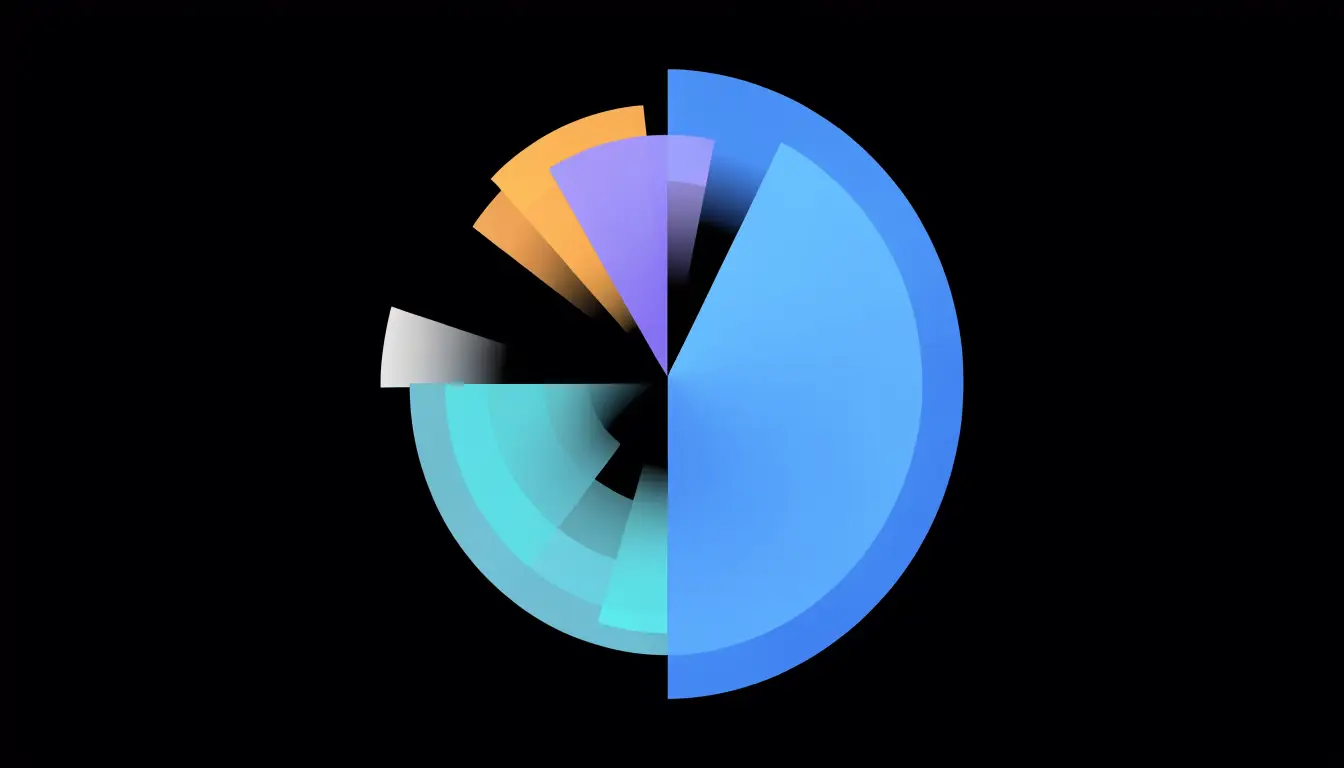
Share of Voice in AI Answers: What It Is and How to Track It
AI Share of Voice measures how often ChatGPT, Perplexity, and Gemini mention your brand over competitors. Here's how it's measured, tracked, and improved.

How LLMs Choose What to Cite: RAG, Retrieval & Trust
Learn how ChatGPT, Perplexity, Gemini, and Claude actually select and cite sources — the RAG pipeline, retrieval, and trust signals explained simply.

GEO vs AEO: What's the Difference (and Does It Matter)?
GEO vs AEO explained with real sources — the true origin of each term, what they precisely mean, where they overlap, and why the distinction still matters.

What Is an AI Visibility Score? Definition and How It Works
An AI Visibility Score measures how often your brand is mentioned and cited in AI answers like ChatGPT or Google AI Overviews. How it works, and how to read it.

What Is Generative Engine Optimization (GEO)? The 2026 Guide
Generative Engine Optimization (GEO) is how you get your brand cited inside AI answers. Learn what GEO is, how it differs from SEO, and how to start.

The Best Profound Alternative in 2026 (Affordable GEO Platform)
Looking for a Profound alternative? Compare what to look for in an AI-visibility platform and why GEOCARA is an affordable, full-cycle GEO option in 2026.

GEO vs SEO: What's the Difference (and Why You Need Both)
GEO vs SEO explained: how optimizing to be cited by AI answers differs from ranking blue links, what carries over, and why modern brands need both.

Best GEO Tools in 2026: Generative Engine Optimization Platforms Compared
A practical comparison of the best Generative Engine Optimization (GEO) tools in 2026 — monitoring, optimization and AI-citation tracking, including GEOCARA.
Start your free trial
Audit your site and see how AI engines perceive you.